
| Noah Webster |
|
“The Christian religion is the most important and one of the first things in which all children, under a free government
ought to be instructed... No truth is more evident to my mind than that the Christian religion must be the basis
of any government intended to secure the rights and privileges of a free people.”
|
| Lexicographer |
| Nathan Hale |
| "I only regret that I have but one life to give for my country." |
| Patriot |
| Harriet Beecher Stowe |
| "In all ranks of life the human heart yearns for the beautiful; and the beautiful things that God makes are his gift to all alike." |
| Author |


Connecticut |
|
| Entered the Union: Jan. 9, 1788 (5) | Capital: Hartford |
| Origin of Name: From an Indian word (Quinnehtukqut) meaning "beside the long tidal river" | |
| State Nicknames: Constitution State • Nutmeg State | |
| State Motto: Qui transtulit sustinet (He who transplanted still sustains) | |
| State Tree: White (Charter) Oak | State Bird: American Robin |
| State Flower: Mountain Laurel | State Animal: Sperm Whale |
| State Shellfish: Eastern Oyster | State Insect: Praying Mantis |
| State Heroine: Prudence Crandall | State Hero: Nathan Hale |
| State Ship: USS Nautilus | State Mineral: Garnet |
| State Forests: 32 • State Parks: 93 | State Song : “Yankee Doodle" |
| Famous for: 250 mile shoreline, Yale University | |
| Famous Connecticuters: Ethan Allan, Nathan Hale (American Revolution), Benedict Arnold (Revolution General & Traitor), P.T. Barnum (circus), Oliver Ellsworth (Chief Justice), Charles Goodyear (originator of vulcanized rubber), Dorothy Hamill (ice skater), Katharine Hepburn (actress), John Mayer (pop artist), Harriet Beecher Stowe (author), Mark Twain (author), Morris Waite (Supreme Court), Noah Webster (lexicographer) | |
| Animals and Birds: Click on photos of the animals and birds on this page to find out more about them and to hear the sounds they make. | |
| State Fair: Brooklyn |
|
|||||||||||
| State Fair: Durham | ||||||||||||
| State Fairs: Various Cities | ||||||||||||
| Connecticut National Sites | ||||||||||||
| Connecticut Attractions | ||||||||||||
| Skiing in Connecticut | ||||||||||||
| Connecticut Butterfly Gallery | ||||||||||||
| Connecticut Bird Gallery | ||||||||||||
| Listen to Robin's Song | ||||||||||||
| Connecticut Homeschooling | ||||||||||||
| Connecticut Resorts | ||||||||||||
| Native Americans of Connecticut belonged to many of the Algonquian Indian family, the Pequot tribe being the strongest. | ||||||||||||
| Dutchman Adriaen Block was the first to explore the Connecticut Valley in 1614. In 1633, English colonists came from Massachusetts to settle Windsor, the first permanent settlement in Connecticut. Together with settlements in Wethersfield and Hartford they united to form the Connecticut Colony in 1636. | ||||||||||||
| The Pequot War began in 1636. In 1637, the colonists defeated the Pequots with help from Uncas, a Pequot leader that sided with the colonists. | ||||||||||||
| Sir Edward Andros, governor of other New England colonies tried many times to gain control of Connecticut. In 1687, he entered Hartford and demanded the charter. The people refused, hiding the charter in an oak tree, later known as the “Charter Oak.” | ||||||||||||
| Connecticut played a prominent role in the Revolutionary War, serving as the Continental Army's major supplier. Sometimes called the “Arsenal of the Nation,” the state became one of the most industrialized in the nation. | ||||||||||||
| Connecticuticans are sometimes referred to as Yankees or Nutmeggers. The nutmeg connection may come from sailors returning from voyages with nutmeg (which in the 18th and 19th centuries was a very valuable spice in New England). | ||||||||||||
| Connecticut was first producer of nuclear-powered submarines. | ||||||||||||
| Tapping Reeve Law School, the first law school in the United States was established in 1784. | ||||||||||||
| The New Haven District Telephone Company published the first telephone book ever issued on February 1878, in New Haven. | ||||||||||||
| Cattle branding began in Connecticut when farmers were required by law to mark all of their pigs. | ||||||||||||
| In 1898 the first car insurance in America is issued at Hartford. The first automobile law was passed in 1901. The speed limit was set at 12 miles per hour. In 1937, Connecticut became the first state to issue permanent license plates for cars. | ||||||||||||
| Connecticut is home to the oldest US newspaper still being published: the Hartford Courant, established in 1764. It is also home to the first hamburger (1895), Polaroid camera (1934), helicopter (1939), and color television (1948). | ||||||||||||
| Connecticut's Yale University ranks as one of the world's greatest and richest universities, and has the most selective undergraduate program of any university in the United States. | ||||||||||||
| Connecticut's Ethnic Roots: Italian 18.6%, Irish 16.6%, English 10.3%, German 9.9%, French 9.9%. | ||||||||||||
| Religion in Connecticut: 75% Christian (43% Protestant, 32% Catholic), 12% No Religion, 4% Other Religions, 1% Jewish, 1% Muslim | ||||||||||||
| Inventor Eli Whitney began manufacturing his cotton gins, which revolutionized the economy of the South, at New Haven in 1793. | ||||||||||||
| In the mid-1990s Connecticut led the nation in per capita wealth. | ||||||||||||


| Thanksgiving Day |
|
|
Thanksgiving Day November 27, 2025
In 1621, 52 Pilgrims and approx. 50 Native Americans celebrated a 3-day feast thanking God for His blessings enabling their survival in the New World. Thanksgiving Day is celebrated on the 4th Thursday of November. |
| Advent |
|
|
November 30, 2025
Advent begins 4 weeks before Christmas and remembers the longing and waiting of God's people for the coming of the Messiah. |
| Bill of Rights Day |
|
|
|
December 15, 1791
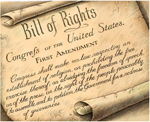
Bill of Rights Day Celebrating the 10 amendments to the Constitution which protect individual rights by placing specific limits on government power. These freedoms do not exist in many countries of the world. |
| Christmas Day |
|
|
December 25th Christmas celebrates the birth of Jesus Christ, the Savior of the World. This joyous festival
is enjoyed by Christians and nonChristians alike all over the world.
|
The contents of this website is © 2003-2026 Awesome America