


New York |
||
| Entered the Union: July 26, 1788 (11) | Capital: Albany | |
| Origin of Name: In honor of England's Duke of York | ||
| State Nickname: Empire State | State Bird: Bluebird | |
| State Motto: Excelsior (Ever upward) | State Flower: Rose | |
| State Fruit: Apple | State Tree: Sugar Maple | |
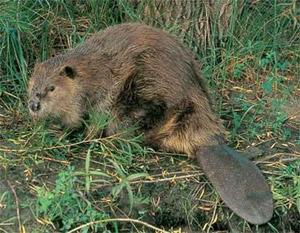
| State Song: " I Love New York" | State Animal: Beaver | |
| National Forests: 1 • State Forests: 132 • State Parks: 180 | ||
| Famous For: Niagara Falls, Broadway Musicals, Statue of Liberty, Baseball Hall of Fame, United Nations, NY Stock Exchange | ||
| Famous New Yorkers: Kareem Abdul-Jabbar • Michael Jordan (basketball), Lucille Ball (actress), Humphrey Bogart • Mickey Rooney • Tom Cruise • Sammy Davis Jr. (actors), Maria Callas (opera), George Eastman (inventor), Millard Fillmore • Franklin D. Roosevelt • Theodore Roosevelt • Martin Van Buren (Presidents), Lou Gehrig (baseball), George Gershwin (composer), Washington Irving (author), Vince Lombardi (football coach), Chico, Groucho, Harpo & Zeppo Marx (comedians), John D. Rockefeller (industrialist), Norman Rockwell (illustrator), Mae West (actress), Walt Whitman (poet) | ||
| Native Animals and Birds: Click on photos of the animals and birds on this page to find out more about them and to hear the sounds they make. | ||
|
||||||||||||||||||
| In 1524, Giovanni da Verrazano sent by France, was the first European to reach the New York Harbor. Henry Hudson, employed by the Dutch, sailed up the Hudson River in 1609 and claimed land naming it New Netherland. French explorer Samuel de Champlain traded goods among the Indians and claimed the same land for France. | ||||||||||||||||||
| In 1624, a group from the Netherlands settled Fort Orange (now Albany), the first permanent white settlement in the colony. Other Dutch groups settled on Manhattan Island. English colonists also wanted to settle New York. The Duke of York commanded warships to go against the Dutch. The Dutch surrendered without a fight and the new English colony became known as New York. | ||||||||||||||||||
| The first capital of the United States was New York City. In 1789 George Washington took his oath as president on the balcony at Federal Hall. | ||||||||||||||||||
| Niagara Falls is one of the seven wonders of the world. | ||||||||||||||||||
| The Genesee River is one of the few rivers in the world to flow south to north. | ||||||||||||||||||
| New York acquired its nickname “Empire State” to recognize its vast wealth and variety of resources. | ||||||||||||||||||
| Joseph Gayetty of New York City invented toilet paper in 1857. | ||||||||||||||||||
| The Statue of Liberty is 101 feet tall from base to torch, 305 feet tall from pedestal foundation to torch. She has a 35-foot waist and an 8-foot index finger, and she weighs 450,000 pounds. | ||||||||||||||||||
| New York was the first state to require license plates for cars. | ||||||||||||||||||
| Jell-O, marshmallows, French’s Mustard, and gold teeth were all developed in Rochester. | ||||||||||||||||||
| The “New York Post,” founded in 1801 by Alexander Hamilton, is the oldest continuously published daily newspaper in the United States. | ||||||||||||||||||
| The longest game in baseball history was played between Rochester and the Pawtucket Red Socks. The game lasted a total of 33 innings. | ||||||||||||||||||
| New York has the most extensive public library facilities in the United States, including the New York Public Library, one of the nation's largest. | ||||||||||||||||||
| The first American chess tournament was held in New York in 1843. | ||||||||||||||||||
| Dairying is New York's most important farming activity with over 18,000 cattle farms. | ||||||||||||||||||
| In 1807 The Clermont made its maiden voyage from New York City to Albany making the vessel the first successful steamboat. | ||||||||||||||||||
| New York City has 722 miles of subway track. | ||||||||||||||||||
| Chittenago is the home of L. Frank Baum, author of the "Wizard of Oz". It features a yellow brick inlaid sidewalks leading to Aunti Em's and other Oz-themed businesses. The city hosts an annual Munchkins parade. | ||||||||||||||||||
| The first railroad in America ran a distance of 11 miles between Albany and Schenectady. | ||||||||||||||||||
| The Catskills are the home of the legend of Rip Van Winkle. | ||||||||||||||||||
| The caracature of Uncle Sam (to personify the United States) was created by Sam Wilson, a meatpacker from Troy. During the War of 1812, he stamped "U.S. Beef" on his products which soldiers interpreted as meaning Uncle Sam. | ||||||||||||||||||
| Gennaro Lombardi opened the first United States pizzeria in 1895 in New York City. | ||||||||||||||||||
| The Erie Canal, built across New York State in the 1820s, opened the Midwest to development and helped New York City become a worldwide trading center. | ||||||||||||||||||
| The oldest cattle ranch in the US was started in 1747 at Montauk on Long Island. | ||||||||||||||||||
| Adirondack Park is larger than Yellowstone, Yosemite, Grand Canyon, Glacier, and Olympic Parks combined. | ||||||||||||||||||
| New York State is home to 58 species of wild orchids. | ||||||||||||||||||
| New York has over 70,000 miles of rivers and streams. | ||||||||||||||||||
| The Big Apple is a term coined by musicians meaning to play the big time. | ||||||||||||||||||
| The Bronx was settled in 1639 and is named for the Swedish settler Jonas Bronck. | ||||||||||||||||||
| New York City has 578 miles of waterfront. | ||||||||||||||||||
| Since the 1920’s, Queens has been the ‘home of jazz,’ the residence of choice for hundreds of jazz musicians, including such notables as Louis Armstrong, Fats Waller, Billie Holiday, Ella Fitzgerald, and Dizzy Gillespie. | ||||||||||||||||||
| Babe Ruth hit the first home run in Yankee Stadium in the first game ever played there. | ||||||||||||||||||
| Author Jack London once lived as a hobo in City Hall Park. | ||||||||||||||||||
| New York's Ethnic Roots: African 15.8%, Italian 14.4%, Hispanic 14.2%, Irish 12.9%, German 11.1%. A 2004 report estimates 20.4% of the population is foreign-born. | ||||||||||||||||||
| Religion in New York: 70% Christian (40% Catholic, 30% Protestant), 13% No Religion, 5% Jewish, 3.5% Muslim, 1% Buddhist | ||||||||||||||||||
| The New York Stock Exchange is the world's largest exchange. It has an annual trading volume of $5.5 trillion. | ||||||||||||||||||
| The Titanic was scheduled to arrive at Chelsea Piers on April 16, 1912 at the conclusion of her maiden voyage. The “unsinkable” ship struck an iceberg and sank on April 14. Of the 2,200 passengers aboard, 675 were rescued by the Cunard liner Carpathia, which arrived at the Chelsea Piers on April 20th. | ||||||||||||||||||




At a Glance
New York Quick Facts
| Entered the Union | July 26, 1788 (11) |
|---|---|
| Capital | Albany |
| Nickname | Empire State |
| State Bird | Bluebird |
| State Flower | Rose |
| State Tree | Sugar Maple |
New for 2026
More New York Facts & Photos
New York's official state fossil is the sea scorpion Eurypterus remipes, adopted in 1984. These creatures prowled the shallow sea that covered much of the state about 420 million years ago, and New York is one of only a few places on Earth where their fossils are commonly found.
Lake Placid, an Adirondack village of fewer than 3,000 people, has hosted the Winter Olympics twice, in 1932 and 1980. The 1980 Games produced the "Miracle on Ice," when a U.S. hockey team of amateurs and college players beat the heavily favored Soviet squad.
When the Brooklyn Bridge opened across the East River on May 24, 1883, it was the longest suspension bridge ever built, and its towers loomed over every other structure in New York City.
Mount Marcy, the state's highest peak at 5,344 feet, rises in the Adirondack High Peaks. On its slopes sits Lake Tear of the Clouds, the small tarn regarded as the highest source of the Hudson River.
The first women's rights convention in the United States met at the Wesleyan Chapel in Seneca Falls on July 19-20, 1848. The chapel is preserved today as part of Women's Rights National Historical Park.
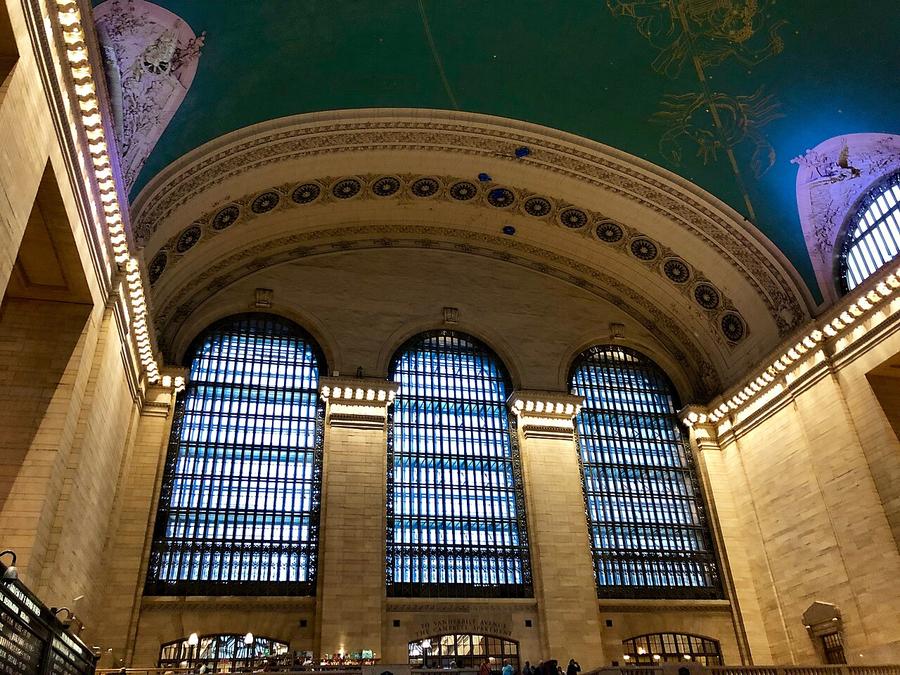
When Grand Central Terminal opened in February 1913, it was considered the largest and greatest railway terminal in the world, with trains arriving on two levels of underground tracks beneath Midtown Manhattan.
Thoroughbreds have raced at Saratoga Race Course in Saratoga Springs since 1863, making it one of the oldest organized sporting venues in the United States.
Common Questions
New York: Questions & Answers
What was New York City called before it was New York?
Why does the Hudson River flow both ways?
Why are the Adirondacks called "forever wild"?
Why is Wall Street called Wall Street?
Voices of America
In Their Own Words
“In the beginning of the contest with Britain, when we were sensible of danger, we had daily prayers in this room for Divine protection. Our prayers were heard and they were graciously answered… do we imagine we no longer need His assistance?”
----------
Constitutional Convention
"We cannot read the history of our rise and development as a nation, without reckoning with the place the Bible has occupied in shaping the advances of the Republic. Where we have been the truest and most consistent in obeying its precepts, we have attained the greatest measure of contentment and prosperity."
(1935)
“Every thinking man, when he thinks, realizes that the teachings of the Bible are so interwoven and entwined with our whole civic and social life that it would be literally impossible for us to figure ourselves what that life would be if these standards were removed. We would lose almost all the standards by which we now judge both public and private morals, all the standards which we, with more or less resolution, strive to raise ourselves.”(1923)
"Without morals a republic cannot subsist any length of time; they therefore who are decrying the Christian religion, whose morality is so sublime and pure... are undermining the solid foundation of morals, the best security for the duration of free governments."
(Nov. 4, 1800.)
“The doctrines of Jesus are simple, and tend to all the happiness of man.”
"New York and the United States are stronger than any group of barbaric terrorists. The city is still here. It will be here tomorrow morning. It's going to be here forever."
Sept. 11, 2001
Last updated: July 2026