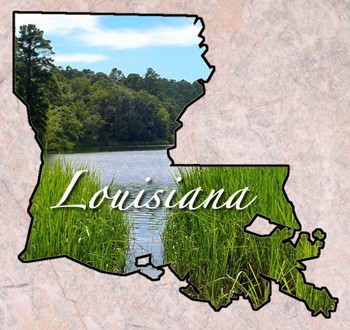



Louisiana |
||
| Entered the Union: April 30, 1812 (18) |
State Tree
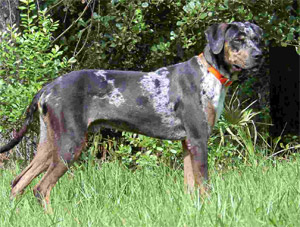
Bald Cypress State Flower Magnolia State Bird Eastern Brown Pelican State Animal Louisiana Black Bear State Dog Catahoula Leopard Dog |
|
| Capital: Baton Rouge | ||
| Origin of Name: in honor of Louis XIV of France | ||
| State Nickname: Pelican State | ||
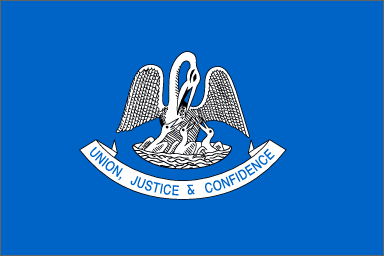
| State Motto: Union, justice and confidence | ||
| State Forests: 1 • State Parks: 35 | ||
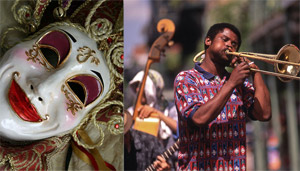
| Famous for: Jazz, French Quarter, Mardi Gras | ||
| State Song: “Give Me Louisiana" • "You are My Sunshine" | ||
| Famous Louisianans: Louis Armstrong • Fats Domino • Wynton Marsalis • Jelly Roll Morton (jazz musicians), Geoffrey Beene (fashion designer), Truman Capote (writer), Kitty Carlisle (singer, actress), Van Cliburn (concert pianist), Bryant Gumbel (TV newscaster), Jean Laffiete (pirate), Jerry Lee Lewis (singer) | ||
| Animals and Birds: Click on photos of the animals and birdson this page to find out more about them and to hear the sounds they make. | ||
|
||||||||||||||
| In 1682, Sieur de la Salle reached the mouth of the Mississippi and claimed all the land drained by it and its tributaries for Louis XIV of France. Louisiana became a French crown colony in 1731 but was ceded to Spain in 1763 after the French and Indian Wars. Louisiana reverted to France in 1800 and was sold by Napoleon to the U.S. in 1803 (the "Louisiana Purchase"). | ||||||||||||||
| The town of Jean Lafitte was once a hideaway for pirates. | ||||||||||||||
| Louisiana has the third-longest tidal coastline (about 7,700 miles) of any state and 41 percent of the nation's wetlands. | ||||||||||||||
| Louisiana has the greatest concentration of crude oil refineries, natural gas processing plants and petrochemical production facilities in the Western Hemisphere. | ||||||||||||||
| Parts of the Mississippi River delta plain near New Orleans lie below sea level. | ||||||||||||||
| The first Tarzan movie was filmed in Louisiana in 1917. | ||||||||||||||
| Mardi Gras is an ancient custom that originated in southern Europe. It celebrates food and fun just before the 40 days of Lent: a Catholic time of prayer and sacrifice. This custom was brought to Louisiana by the French. | ||||||||||||||
| Louisiana is the only state in the union that does not have counties. Its political subdivisions are called parishes. | ||||||||||||||
| Louisiana is the only state with a large population of Cajuns, descendants of the French-speaking Acadians who were driven out of Canada in the 1700s because they wouldn't pledge allegiance to the King of England. | ||||||||||||||
| The Acadians were joined by another group of settlers called Creoles, descendants of African, West Indian, and European pioneers. At the time of the migration, Louisiana was under Spanish rule and authorities welcomed the new settlers. | ||||||||||||||
| The Superdome in New Orleans is the worlds largest steel-constructed room unobstructed by posts. | ||||||||||||||
| Breaux Bridge is known as the "Crawfish Capital of the World". | ||||||||||||||
| Jennings is called the "Garden Spot of Louisiana" for it's rich and productive farmland. | ||||||||||||||
| The pelican, rather than let its young starve, would tear at its own flesh to feed them. | ||||||||||||||
| Winnsboro, the "Stars and Stripes Capital of Louisiana", is one of the most patriotic cities in America. On Memorial Day, July 4th, Veteran's Day, Labor Day, and other special occasions, approximately 350 American flags fly proudly along highway 15. | ||||||||||||||
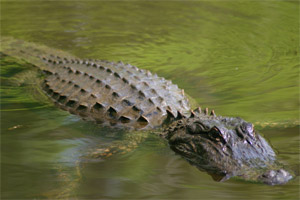
| The American Alligator is Louisiana's state reptile. | ||||||||||||||
| The golden spike, commemorating the completion of the east-west Vicksburg, Shreveport and Pacific Railroad, was driven at Bossier City on July 12, 1884, by Julia "Pansy" Rule. | ||||||||||||||
| Rayne is known as the "The Frog Capital of the World". | ||||||||||||||
| Louisiana's Ethnic Roots: African 32.5%, French 16.2%, American 10.1%, German 7.1%, Irish 7%, Italian 4.4%. | ||||||||||||||
| Religion in Louisiana: 80% Christian (50% Protestant, 30% Catholic, 1% Other), 10% Other Religions, 10% No Religion | ||||||||||||||
| Covington, known for its clean air and water, is in a region referred to as the Ozone Belt | ||||||||||||||
| Hurricane Katrina (Aug. 29, 2005) was the sixth-strongest Atlantic hurricane ever recorded and the third-strongest
hurricane on record that made landfall in the U.S. Katrina caused catastrophic damage along the Gulf coast, devastating
the cities of Mobile, Alabama; Waveland and Biloxi/Gulfport in Mississippi; New Orleans and other towns in Louisiana.
At least 1,836 people lost their lives in Hurricane Katrina and in the subsequent floods, making it the deadliest U.S. hurricane since the 1928 Okeechobee Hurricane. Damages are estimated at $81.2 billion, making it the costliest natural disaster in U.S. history. |
||||||||||||||


At a Glance
Louisiana Quick Facts
| Entered the Union | April 30, 1812 (18) |
|---|---|
| Capital | Baton Rouge |
| Nickname | Pelican State |
| State Bird | Eastern Brown Pelican |
| State Flower | Magnolia |
| State Tree | Bald Cypress |
New for 2026
More Louisiana Facts & Photos
Poverty Point's 3,400-year-old earthen mounds and ridges in northeast Louisiana were the largest earthworks in North America for some 2,000 years. UNESCO added the site to the World Heritage List in 2014.
Tabasco sauce has been made on Avery Island since 1868, when Edmund McIlhenny grew his first commercial pepper crop there. The island sits on a salt dome that supplies the salt in the recipe.
The Lake Pontchartrain Causeway stretches 23.83 miles across the lake and holds the Guinness World Record for the longest continuous bridge over water.
The Atchafalaya Basin is the largest river swamp in the United States, nearly one million acres of bottomland hardwoods, bayous, and backwater lakes stretching 140 miles toward the Gulf.
The St. Charles streetcar has run since 1835, making it the oldest continuously operating streetcar line in the world. Electric cars replaced mules on the line in 1893.
Whooping cranes returned to Louisiana in 2011, when ten juveniles were released at the White Lake wetlands, the first wild whooping cranes in the state since 1950.
Voices of America
In Their Own Words
"The religion which has introduced civil liberty is the religion of Christ and His apostles, which enjoins humility, piety, and benevolence; which acknowledges in every person a brother, or a sister, and a citizen with equal rights. This is genuine Christianity, and to this we owe our free Constitutions of Government."
"Every step we take towards making the State the Caretaker of our lives, by that much we move toward making the State our Master."
"Fourscore and seven years ago our fathers brought forth on this continent, a new nation, conceived in Liberty, and dedicated to the proposition that all men are created equal."
"Darkness cannot drive out darkness; only light can do that. Hate cannot drive out hate; only love can do that.:
Last updated: July 2026