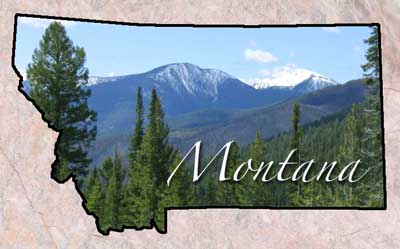


Montana |
||
| Entered the Union:November 8, 1889 (41) | Capital: Helena | |
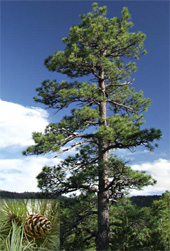
| Origin of Name: Spanish for “mountainous” | State Tree: Ponderosa Pine | |
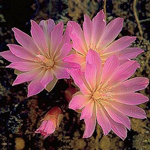
| State Nickname: Treasure State | State Flower: Bitterroot | |
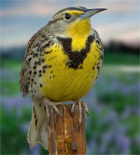
| State Bird: Western Meadowlark | State Animal: Grizzly Bear | |
| State Motto: Oro y Plata (Gold and Silver) | State Song:“Montana" | |
| State Forests: 7 • State Parks: 55 | ||
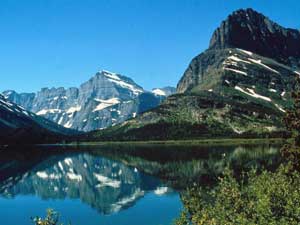
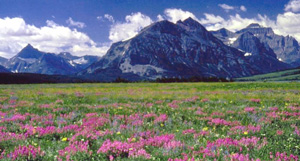
| Famous For: Glacier Park, Yellowstone Park, Bighorn Mts., Wildlife | ||
| Famous Montanans: Gary Cooper (actor), Alfred Bertram Guthrie (Pulitzer Prize-winning author), Chet Huntley (TV newscaster), Will James (artist), Evel Knievel (daredevil stuntman), Jeannette Rankin (first woman elected to Congress) | ||
| Native Animals and Birds: Click on photos of the animals and birds on this page to find out more about them and to hear the sounds they make. | ||
|
|||||||||||||||
| In 1803, the United States acquired most of Montana in the Louisiana Purchase. In 1841 missionaries built St. Mary’s Mission, the first attempt at a permanent settlement. In 1847, the American Fur Company built Fort Benton on the Missouri River. This town is now Montana’s oldest continuously populated town. | |||||||||||||||
| Gold was discovered in Grasshopper Creek in 1862. Thousands of prospectors built mining camps throughout Montana as gold strikes were discovered. | |||||||||||||||
| In 1876, the U.S. Army arrived at the Little Bighorn River to place all Native Americans on reservations. In the famous battle known as “Custer’s Last Stand,” Sioux and Cheyenne Indians killed Lieutenant George A. Custer and more than 200 of his men in less than 20 minutes. | |||||||||||||||
| “Treasure State” refers to the importance of mining in Montana – copper, lead, zinc, silver, coal, and oil. | |||||||||||||||
| Yellowstone National Park in southern Montana and northern Wyoming was the first national park in the nation. | |||||||||||||||
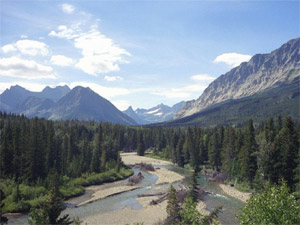
| Glacier National Park has 250 lakes within its boundaries. | |||||||||||||||
| No state has as many different species of mammals as Montana. Among the approximately 100 species of mammals in Montana are elk, black bears, grizzly bears, antelope, bighorn sheep, mountain goats, moose, caribou, and mountain lions. | |||||||||||||||
| The average square mile of land contains 1.4 elk, 1.4 pronghorn antelope, and 3.3 deer. | |||||||||||||||
| Every spring nearly 10,000 white pelicans with a wingspan of nine feet migrate from the Gulf of Mexico to Medicine Lake in northeastern Montana. | |||||||||||||||
| The largest snowflake ever observed (38 cm wide) was recorded in Montana on January 28, 1887. That’s darn near 15 inches!!! | |||||||||||||||
| Giant Springs, Montana is home to the largest fresh water spring in the U.S. | |||||||||||||||
| Montana holds the world record for the greatest temperature change in 24 hours. In Loma, on January 14-15, 1972, the temperature went from from -54°F to 49°F -- a whopping 103 degrees! | |||||||||||||||
| In 1888, Helena had more millionaires per capita than any other city in the world. | |||||||||||||||
| 46 out of Montana's 56 counties are considered "frontier counties" with an average population of 6 or fewer people per square mile. | |||||||||||||||
| The "Going to the Sun Road" in Glacier Park is considered one of the most scenic drives in America. | |||||||||||||||
| At Egg Mountain near Choteau, dinosaur eggs have been discovered. | |||||||||||||||
| The Continental Divide runs along the crests of the Rocky Mountains from Canada to Mexico, literally dividing the waters of the North American Continent. Montana is known as the headwaters state because much of the water which flows to the rest of the nation comes from the mountains of Montana. | |||||||||||||||
| Virginia City was founded in 1863 and is considered to be the most complete original town of its kind in the United States. | |||||||||||||||
| Flathead Lake in northwest Montana contains over 200 square miles of water and 185 miles of shoreline. It is considered the largest natural freshwater lake in the west. | |||||||||||||||
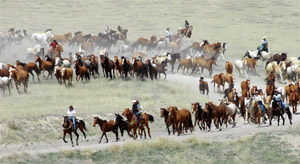
| Miles City is known as the Cowboy Capitol. | |||||||||||||||
| Montana is the fourth largest state with the 44th largest population. | |||||||||||||||
| Yellowstone National Park in southern Montana and northern Wyoming was the first national park in the nation. | |||||||||||||||
| Montana has the largest grizzly bear population in the lower 48 states. | |||||||||||||||
| Montana mountain goats will butt heads so hard their hooves fall off. | |||||||||||||||
| Montana's Ethnic Roots: German 27%, Irish 14.8%, English 12.6%, Norwegian 10.6%, Native American 7.4% | |||||||||||||||
| Religion in Montana: 79% Christian (55% Protestant, 24% Catholic), 18% No Religion, 3% LDS | |||||||||||||||
| Wild Buffalo can be viewed at the National Bison Range in Moiese. | |||||||||||||||
| Grasshopper Creek’s gold at Bannack, Montana was 99-99.5% pure, compared to most gold at 95%. When the strike was found in 1862 it led to the greatest rush to the West since the California Gold Rush in 1848. | |||||||||||||||





At a Glance
Montana Quick Facts
| Entered the Union | November 8, 1889 (41) |
|---|---|
| Capital | Helena |
| Nickname | Treasure State |
| State Bird | Western Meadowlark |
| State Flower | Bitterroot |
| State Tree | Ponderosa Pine |
New for 2026
More Montana Facts & Photos
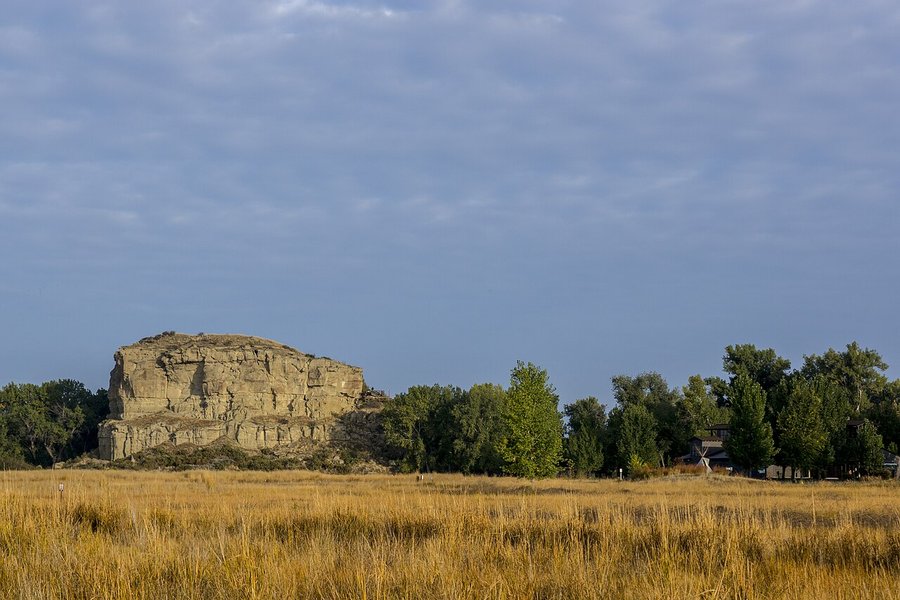
On July 25, 1806, William Clark climbed a sandstone butte above the Yellowstone River and carved his name into the rock, the only physical evidence of the Lewis & Clark expedition still visible along its route. Pompeys Pillar was declared a national monument in 2001.
Montana has had two official state gemstones since 1969: the sapphire and the moss agate. The cornflower-blue sapphires of Yogo Gulch are naturally colored, needing no heat treatment, and the U.S. Geological Survey once called the deposit America's most important gem locality.
Just before midnight on August 17, 1959, a magnitude 7.3 earthquake near Hebgen Lake triggered the largest earthquake-caused landslide in North America's recorded history. The debris dammed the Madison River and created Quake Lake, still visible today.
The Bob Marshall Wilderness, one of the original areas protected by the Wilderness Act of 1964, covers more than a million acres. Its most famous landmark is the Chinese Wall, a limestone escarpment about 1,000 feet high and 22 miles long.
Granite Peak in the Beartooth Range, Montana's highest point at 12,799 feet, turned back so many climbers that it was not conquered until 1923.
Voices of America
In Their Own Words
"The right to freedom being the gift of the Almighty... The rights of the colonists as Christians... may be best understood by reading and carefully studying the institutions of The Great Law Giver and Head of the Christian Church, which are to be found clearly written and promulgated in the New Testament."
"A true American Patriot must be a religious man... He who neglects his duty to his Maker, may well be expected to be deficient and insincere in his duty towards the public."
(1776)
"Let us with caution indulge the supposition that morality can be maintained without religion. Reason and experience both forbid us to expect that national morality can prevail in exclusion of religious principle."
"Of all systems of morality, ancient of modern, which have come under my observation, none appear to be so pure as that of Jesus."
to William Canby (1813)
Last updated: July 2026