


Rhode Island |
||
| Entered the Union: May 29, 1790 (13) | Capital: Providence | |
| Official Name: State of Rhode Island (formerly 'and Providence Plantations,' dropped by voters in 2020) | ||
| Origin of Name: From the Greek Island of Rhodes | ||
| State Nickname: The Ocean State | State Motto: Hope | |
| State Bird: Rhode Island Red Hen | State Tree: Red Maple | |
| State Song: “Rhode Island, It's for Me" | State Flower: Violet | |
| State Parks: 15 • State Beaches: 10 | State Mineral: Bowenite | |
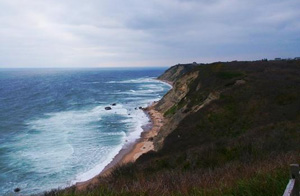
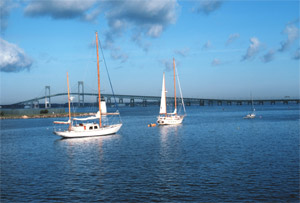
| Famous for: Newport's summer tourism, Jewelry manufacturing, spectacular coastline | ||
| Famous Rhode Islanders: Bobby Hackett (trumpeter), David Hartman (TV newscaster), Ruth Hussey, Anthony Quinn, James Woods (actors), Anne Hutchinson (religious leader), Wilbur John (Quaker leader), King Philip "Metacomet" (Indian leader), Roger Williams (clergyman, founder of Rhode Island) | ||
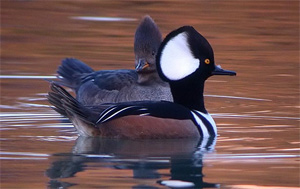
| State Flower & Tree and Birds: Click on photos to find out more about them and hear the sounds the birds make. | ||
|
||||||||||||||
|
Several groups of Native Americans inhabited the area. The largest of these groups was the Narragansett. |
||||||||||||||
| In 1524 the Florentine navigator Giovanni da Verrazano, while sailing for France, was the first European to explore Rhode Island. By comparing Block Island with the Mediterranean island Rhodes, he accidentally gave it its name. | ||||||||||||||
| In the 1630s, Puritan leaders in Massachusetts forced all to leave who did not practice their faith. Roger Williams, a minister who believed in religious freedom, left in 1636. He purchased land from the Indians and founded Providence, Rhode Island’s first permanent white settlement, with a policy of religious and political freedom. | ||||||||||||||
| In 1662, King Philip became chief of the Wampanoag Indian tribe when his father died. He feared white men and disliked that some settlers were taking land without paying for it. In 1675, battles were fought between the colonists and the Wampanoag tribe. Troops from Massachusetts, Plymouth, and Connecticut defeated the Indians in the Great Swamp Fight near Kingston, Rhode Island. The war continued in New Hampshire and Maine until King Philip's death in 1676. | ||||||||||||||
| Most colonists in Rhode Island were farmers. Many owned large plantations along Narragansett Bay where slaves raised crops and cared for cattle. Even though slavery was important to its economy, Rhode Island was the first colony to prohibit the importation of slaves in 1774. | ||||||||||||||
| Rhode Island was the last of the original thirteen colonies to become a state. In May of 1776, Rhode Island became the first colony to declare its independence from Great Britain. | ||||||||||||||
| Rhode Islanders were the first to take military action against England by sinking one of her ships in the Narragansett Bay located between Newport and Providence. | ||||||||||||||
| The first Afro-American regiment to fight for America made a gallant stand against the British in the Battle of Rhode Island. | ||||||||||||||
| Roger Williams, founder of Rhode Island, established the first practical working model of Democracy after he was banished from Plymouth, Massachusetts because of his "extreme views" concerning freedom of speech and religion. | ||||||||||||||
| Thomas Jefferson and John Adams publicly acknowledged Roger Williams, as the originator of the concepts and principles reflected in The First Amendment. Among those principles were freedom of religion, freedom of speech, and freedom of public assembly. | ||||||||||||||
| Roger Williams established the First Baptist Church in America in 1638. | ||||||||||||||
| Rhode Island is the smallest state in size in the United States. It covers an area of about 1,545 square miles (1,034 square miles of land). Its distances North to South are 48 miles and East to West 37 miles. | ||||||||||||||
| Rhode Island has an extensive shoreline and mild summer climate, which contribute to its renown as a vacation state. | ||||||||||||||
| Newport became famous as the summer capital of high society in the mid-19th century. | ||||||||||||||
| The first circus in the United States was in Newport in 1774. | ||||||||||||||
| The era know as The Industrial Revolution started in Rhode Island with the development and construction in 1790 of Samuel Slater's water-powered cotton mill in Pawtucket. | ||||||||||||||
| The first traffic law was created in 1678, when authorities banned galloping horses on local streets in Newport. In 1904, the first speeding ticket was also given in Newport. | ||||||||||||||
| Rhode Island was home to the first National Lawn Tennis Championship (the precursor to the U.S. Open) in 1881. | ||||||||||||||
| Rhode Island is home to the Tennis Hall of Fame. | ||||||||||||||
| St. Mary's, Rhode Island's oldest Roman Catholic parish was founded in 1828. The church is best known as the site of the wedding of Jacqueline Bouvier to John Fitzgerald Kennedy in 1953. | ||||||||||||||
| The Flying Horse Carousel is the nation’s oldest carousel of the flying-horse type, in which the horses swing out on chains. It is located in the resort town of Watch Hill. | ||||||||||||||
| George M. Cohan was born in Providence in 1878. He wrote, "I'm a Yankee Doodle Dandy," "You're a Grand Old Flag." | ||||||||||||||
| Rhode Island is known for making silverware and fine jewelry. | ||||||||||||||
| The White Horse Tavern was built in 1673 and is the oldest operating tavern in the United States. | ||||||||||||||
| Rhode Island's Ethnic Roots: Italian 19%, Irish 18.4%, French 17.3%, English 12%, Portuguese 8.7%. | ||||||||||||||
| Religion in Rhode Island: 81% Christian (56% Catholic, 24% Protestant, 1% Other), 16% No Religion, 2% Jewish, 1% Other Religions | ||||||||||||||
| Rhode Island has the highest percentage of Catholics in the nation. Rhode Island and Utah long stood out as the states with the largest single-denomination populations, though neither Catholics in Rhode Island nor Latter-day Saints in Utah now make up a clear majority. | ||||||||||||||
| Portsmouth is home to the oldest schoolhouse in the United States. The school was built in 1716. | ||||||||||||||
| Pelham Street in Newport was the first street in the country to use gas-illuminated streetlights. |







At a Glance
Rhode Island Quick Facts
| Entered the Union | May 29, 1790 (13) |
|---|---|
| Capital | Providence |
| Nickname | The Ocean State |
| State Bird | Rhode Island Red Hen |
| State Flower | Violet |
| State Tree | Red Maple |
New for 2026
More Rhode Island Facts & Photos
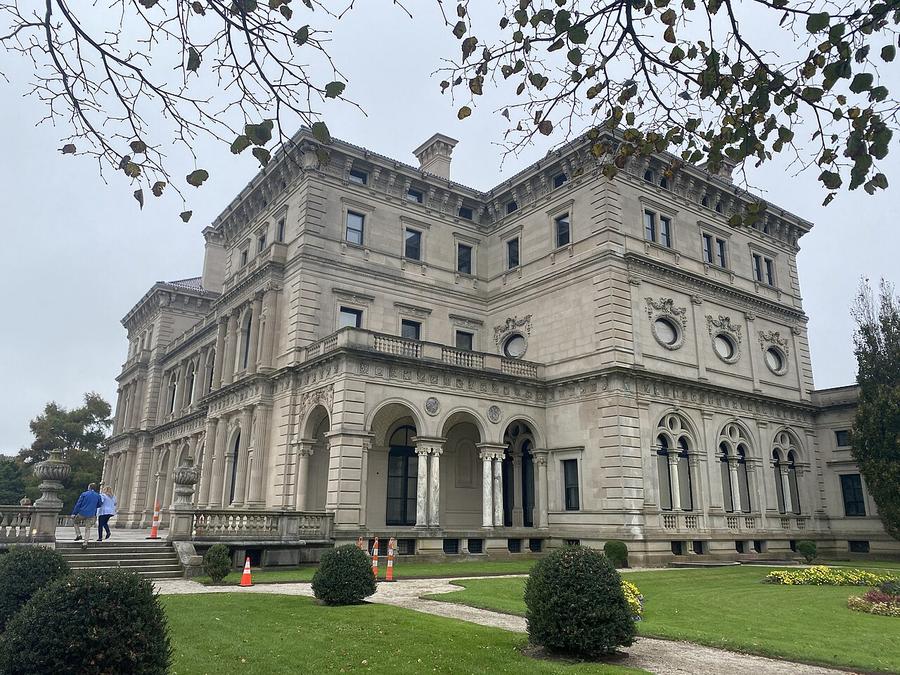
The Breakers, the 70-room summer "cottage" Cornelius Vanderbilt II completed in Newport in 1895, is the most visited historic house in New England, drawing over 450,000 visitors a year.
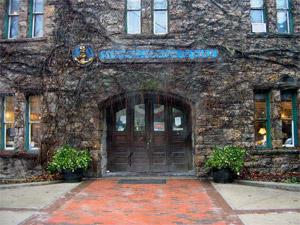
Touro Synagogue in Newport, dedicated in 1763, is the oldest synagogue building in the United States. President Washington's 1790 letter to its congregation promised a government that gives "to bigotry no sanction, to persecution no assistance."
Rhode Island named the quahog its official state shell in 1987. The Narragansett people ground the hard clam's purple-and-white shells into wampum beads that served as currency.
Newport's Cliff Walk runs 3.5 miles between the shoreline cliffs and the back lawns of the Gilded Age mansions. In 1975 it became New England's first National Recreation Trail.
The Newport Jazz Festival debuted at the Newport Casino in July 1954, with Billie Holiday and Ella Fitzgerald performing for 13,000 fans. It has grown into one of the most famous jazz festivals in the world.
Green Animals in Portsmouth, begun on a country estate bought in 1872, is the oldest topiary garden in the United States. Its 80 sculpted trees include an elephant, a camel, and a giraffe clipped from privet and boxwood.
Voices of America
In Their Own Words
"The right to freedom being the gift of the Almighty... The rights of the colonists as Christians... may be best understood by reading and carefully studying the institutions of The Great Law Giver and Head of the Christian Church, which are to be found clearly written and promulgated in the New Testament."
"We shall not fight alone. God presides over the destinies of nations, and will raise up friends for us. The battle is not to the strong alone; it is to the vigilant, the active, the brave... Is life so dear, or peace so sweet as to be purchased at the price of chains and slavery? Forbid it Almighty God! I know not what course others may take, but as for me, give me liberty or give me death!"
"Providence has given to our people the choice of their rulers. And it is the duty as well as the privilege and interest, of a Christian nation to select and prefer Christians for their rulers."
Feb. 28, 1797
"The path we have chosen for the present is full of hazards... The cost of freedom is always high, but Americans have always paid it. And one path we shall never choose, and that is the path of surrender, or submission."
"How many observe Christ's birthday! How few his precepts! O! 'tis easier to keep holidays than commandments."
Last updated: July 2026