


South Dakota |
||
| Entered the Union: November 2, 1889 (40) | Capital: Pierre | |
| Origin of Name: from Sioux Indian, meaning “allies” or "friends" | ||
| State Nicknames: Mt. Rushmore State • Coyote State | ||
| State Motto: Under God the people rule | State Tree: Black Hills Spruce | |
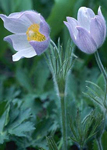
| State Bird: Ringneck Pheasant | State Flower: Pasque Flower | |
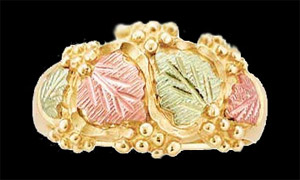
| State Jewelry: Black Hills Gold | State Animal: Coyote | |
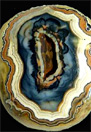
| State Gem Stone: Fairburn Agate | State Insect: Honey Bee | |
| State Song: “Hail! South Dakota" | State Sport: Rodeo | |
| Famous For: Mt. Rushmore • Black Hills Gold | ||
| National Forests: 4 • State Parks: 12 • Recreational Areas: 45 | ||
| Famous South Dakotans: Sparky Anderson (baseball), Tom Brokaw (TV newscaster), Crazy Horse (Oglala chief), Hubert Humphrey (vice president), Cheryl Ladd (actress), Red Cloud (Oglala Sioux chief), Sitting Bull (Hunkpappa Sioux chief), Norm Van Brocklin (football) | ||
| Animals and Birds: Click on photos of the animals and birds (and tipis) on this page to find out more about them and to hear the sounds they make. | ||
|
|||||||||||||||||
| Arikara people lived in South Dakota during the 1500s. Throughout the early 1700s, Sioux and Cheyenne moved into the area. By the 1800s, only the Sioux remained; they had forced all other tribes from South Dakota. | |||||||||||||||||
| Exploration of the Dakotas began in 1743 by French explorers Louis-Joseph and François Verendrye who were in search of a route to the Pacific. The U.S. acquired the region as part of the Louisiana Purchase in 1803. Fort Pierre, the first permanent settlement, was established in 1817. Settlement of South Dakota did not begin in earnest until the arrival of the railroad in 1873 and the discovery of gold in the Black Hills in 1874. | |||||||||||||||||
| The Black Hills are the highest mountains east of the Rockies. Mt. Rushmore, in this group, is famous for the carvings of Washington, Jefferson, Lincoln, and Theodore Roosevelt by Gutzon Borglum. A memorial to Crazy Horse is also being carved in granite near Custer. | |||||||||||||||||
| Drilling began on the four faces of Mount Rushmore National Memorial in 1927 by Sculptor Gutzon Borglum. Towering 6,200 feet, the faces of George Washington, Thomas Jefferson, Theodore Roosevelt and Abraham Lincoln are scaled to men who would stand 465 feet tall. Creation of the Shrine to Democracy took 14 years and cost $1 million, though it's now deemed priceless. | |||||||||||||||||
| The Sioux/Dacotah Indian greeting, "How Kola!" means "Hello, Friend." | |||||||||||||||||
| The famous Black Hills Passion Play is held annually in a natural amphitheater near Spearfish. | |||||||||||||||||
| Lead was home to the Homestake Mine, once the largest and deepest gold mine in the Western Hemisphere. It opened in 1876 and, by the time it closed in 2002, was America's longest continuously operating gold mine. The former mine is now the Sanford Underground Research Facility, a deep-underground science lab. | |||||||||||||||||
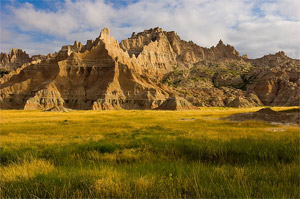
| The Badlands of South Dakota, a region of barren ravines and cliffs, were created by volcanic action as well as by wind and water erosion. | |||||||||||||||||
| The Badlands are known as “the playground” of the dinosaur. The Badlands National Park has fossils including a dog-sized camel, three-toed horse, and saber-toothed cat. | |||||||||||||||||
| The Mammoth Site of Hot Springs contains the largest concentration of Columbian and woolly mammoth bones discovered in their primary context (where they died) in the world! | |||||||||||||||||
| Lemmon has the world's largest petrified wood park. | |||||||||||||||||
| Several Hadrosaur, Edmontosaurus annectens were excavated on a ranch north of Faith and one of the largest, most complete, and best preserved Tyrannosaurus Rex was excavated nearby. | |||||||||||||||||
| Built in 1832 by John Jacob Astor's American Fur Company, Fort Pierre Chouteau was the largest and best equipped trading post in the northern Great Plains. | |||||||||||||||||
| Clark is the Potato Capital of South Dakota. It is also the home of a Mashed Potato Wrestling contest. | |||||||||||||||||
| The Black Hills Wild Horse Sanctuary is the home of 300 wild mustangs, where they run free on several thousand scenic acres. | |||||||||||||||||
| Jewel Cave (in the Black Hills) is one of the longest caves in the world, with more than 220 miles of surveyed and mapped passages. | |||||||||||||||||
| Belle Fourche is the geographical center of the United States of America, designated in 1959 and noted by an official marker and sheepherder's monument called a "Stone Johnnie". | |||||||||||||||||
| Wild Bill Hickok was killed in Deadwood, South Dakota in 1876. | |||||||||||||||||
| South Dakota is a leader in honey production. | |||||||||||||||||
| Mitchell, South Dakota is the home of the world's only Corn Palace, built with 3,500 bushels of ear corn. | |||||||||||||||||
| The Pioneer Auto Museum in Murdo details more than 250 rare automobiles including the Tucker and Edsel. | |||||||||||||||||
| The Flaming Fountain on South Dakota State Capitol Lake is fed by an artesian well with natural gas content so high that it can be lit. The fountain glows perpetually as a memorial to all veterans. | |||||||||||||||||
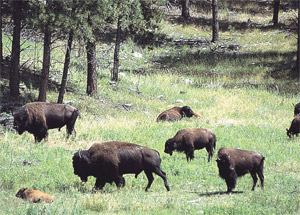
| The largest buffalo herd in the U.S. lives at the Standing Butte Ranch near Pierre. | |||||||||||||||||
| In 1900, a huge Prairie Dog settlement, 100 miles by 250 miles, was found containing an estimated 400 million Prairie Dogs! | |||||||||||||||||
| The Silent Guide Monument in Philip was built in the late 1800s by a sheepherder to mark a waterhole that never went dry. Made of flat stones, the guide originally stood fourteen feet high, and could be seen as far as thirty five miles away. | |||||||||||||||||
| South Dakota Ethnic Roots: German 40.7%, Norwegian 15.3%, Irish 10.4%, Native American 8.3%, English 7.1%. | |||||||||||||||||
| South Dakota has one of the largest Native American populations, with nine official tribes (approx. 99,000 people). | |||||||||||||||||
| Religion in South Dakota:
91% Christian (65% Protestant, 25% Catholic, 1% Other), 8% No Religion, 1% Other Religions |
|||||||||||||||||
| According to legend, the origin of Black Hills Gold was inspired by goldsmith Heri LeBeau of Paris, France. During
the 1849 Gold Rush days, he decided to go to California and make his fortune. When he reached the rugged Black Hills
of South Dakota, he became hopelessly lost in the wilderness. He wandered for days without food or water. By some
miracle he had a vision of running water with grape leaves floating in a stream from a nearby vineyard. The vision
was real and his life was saved.
Henri stayed in the Black Hills where he continued his craft. Influenced by his mystical experience, the jewelry he created took the shape of grape clusters and leaves, fashioned in rose, green and yellow gold. |
|||||||||||||||||







At a Glance
South Dakota Quick Facts
| Entered the Union | November 2, 1889 (40) |
|---|---|
| Capital | Pierre |
| Nickname | Mt. Rushmore State • Coyote State |
| State Bird | Ringneck Pheasant |
| State Flower | Pasque Flower |
| State Tree | Black Hills Spruce |
New for 2026
More South Dakota Facts & Photos
Wind Cave in the southern Black Hills became the first cave in the world to be designated a national park when Theodore Roosevelt signed the bill in 1903. It holds about 95 percent of the world's known boxwork, a rare honeycomb-like formation of thin calcite blades.
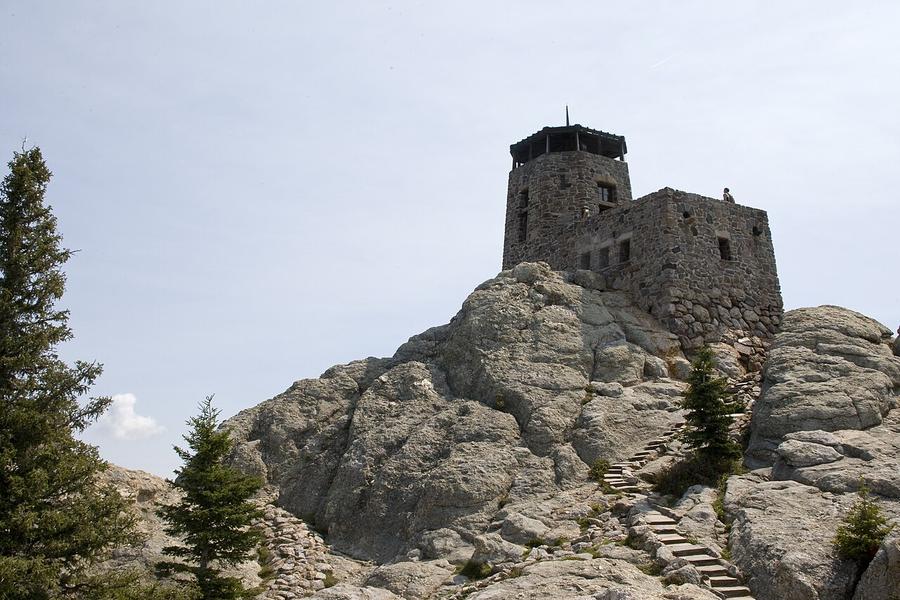
The state's highest summit, 7,242-foot Black Elk Peak, is also the highest point in the United States east of the Rockies. Long known as Harney Peak, it was renamed in 2016 to honor the Lakota holy man Black Elk.
South Dakota adopted Triceratops as its official state fossil in 1988. The three-horned dinosaur is one of the most common finds in the Hell Creek Formation of the state's northwest, and a skeleton unearthed in Harding County in 1927 is displayed in Rapid City.
The Sturgis Motorcycle Rally began in 1938 as a nine-rider race called the Black Hills Motor Classic. It now draws around half a million riders every August, making it the world's largest motorcycle gathering.
Laura Ingalls Wilder's family homesteaded near De Smet in 1880, and five of her Little House books are set in the town, including The Long Winter and Little Town on the Prairie.
Minuteman Missile National Historic Site, created in 1999 near Wall, preserves a Cold War launch control center and missile silo from a field that once hid 150 nuclear missiles beneath the prairie.
Voices of America
In Their Own Words
"Behind every successful man is a proud wife and a surprised mother-in-law."
"It was once said that the moral test of government is how that government treats those who are in the dawn of life, the children; those who are in the twilight of life, the elderly; and those who are in the shadows of life, the sick, the needy and the handicapped."
"I hope I shall always possess firmness and virtue enough to maintain what I consider the most enviable of all titles, the character of an Honest Man."
"The impersonal hand of government can never replace the helping hand of a neighbor."
"Each child is an adventure into a better life - an opportunity to change the old pattern and make it new."
"What we need are critical lovers of America - patriots who express their faith in their country by working to improve it."
"A true American Patriot must be a religious man... He who neglects his duty to his Maker, may well be expected to be deficient and insincere in his duty towards the public."1776 - President John Adams' wife
"The liberty, prosperity, and the happiness of our country will always be the object of my most fervent prayers to the Supreme Author of All Good."
March 5, 1821
Last updated: July 2026